WITH LOVE

I’ve been fooling around lately with this beautiful, intricate traditional Palestinian cross stitch called tatreez. Which, naturally, got me noodling around on the internet looking at embroidery info. This in turn brought me to a website called “Badass Cross Stitch,” which, for some reason, was promoting “International Analog Day.” Eye-rolling irony of finding all this online, when I could have been stitching, duly noted.
The tagline of International Analog Day is “unplug and connect.” And the idea seems to be that, for one day at least, rather than googling embroidery sites, one might, say, actually get together with other stitchers and stitch. Or bake pies. Or sing. Or just hang out. (The next one is February 28, 2027.)
It happened that a couple days after I found the Badass Cross Stitchers, we were due to have our monthly in-person Kabbalat Shabbat service and potluck dinner. When I heard that the person who had planned to host us all was ill and had to cancel, it seemed easiest to revert to our weekly Zoom candle lighting. But I couldn’t quite do it.
I’m sure we all remember mid-March 2020, when, out-of-the-blue (to me at least), the COVID virus slammed into all of our lives. Within a day or two everything shut down. At first, many of us thought it would be a matter of a week or two that we would be quarantining. (“Two weeks!!!” I thought to myself, “How can we possibly manage that long without leaving our houses???”) But it very quickly became clear that we would be indoors for a far longer time.
I couldn’t imagine how our beloved Jewish community could continue. We were so analog. I had attended a few online meetings, but I certainly had never run one. I’m no techno-genius, but I was probably a bit more adept at the keyboard than were many of the elders of our community. We bravely logged in to the Zoom world: Susan and Harriet created classes and events as CHAI on the Coast, and I began holding a weekly online Cup of Coffee as well as Shabbat morning services. Pretty soon after, I started zooming Friday night candle lighting and kiddush every week from my own Shabbat table. It seemed imperative, at that frightening and isolating moment, that we SEE and converse with each other as much as possible.
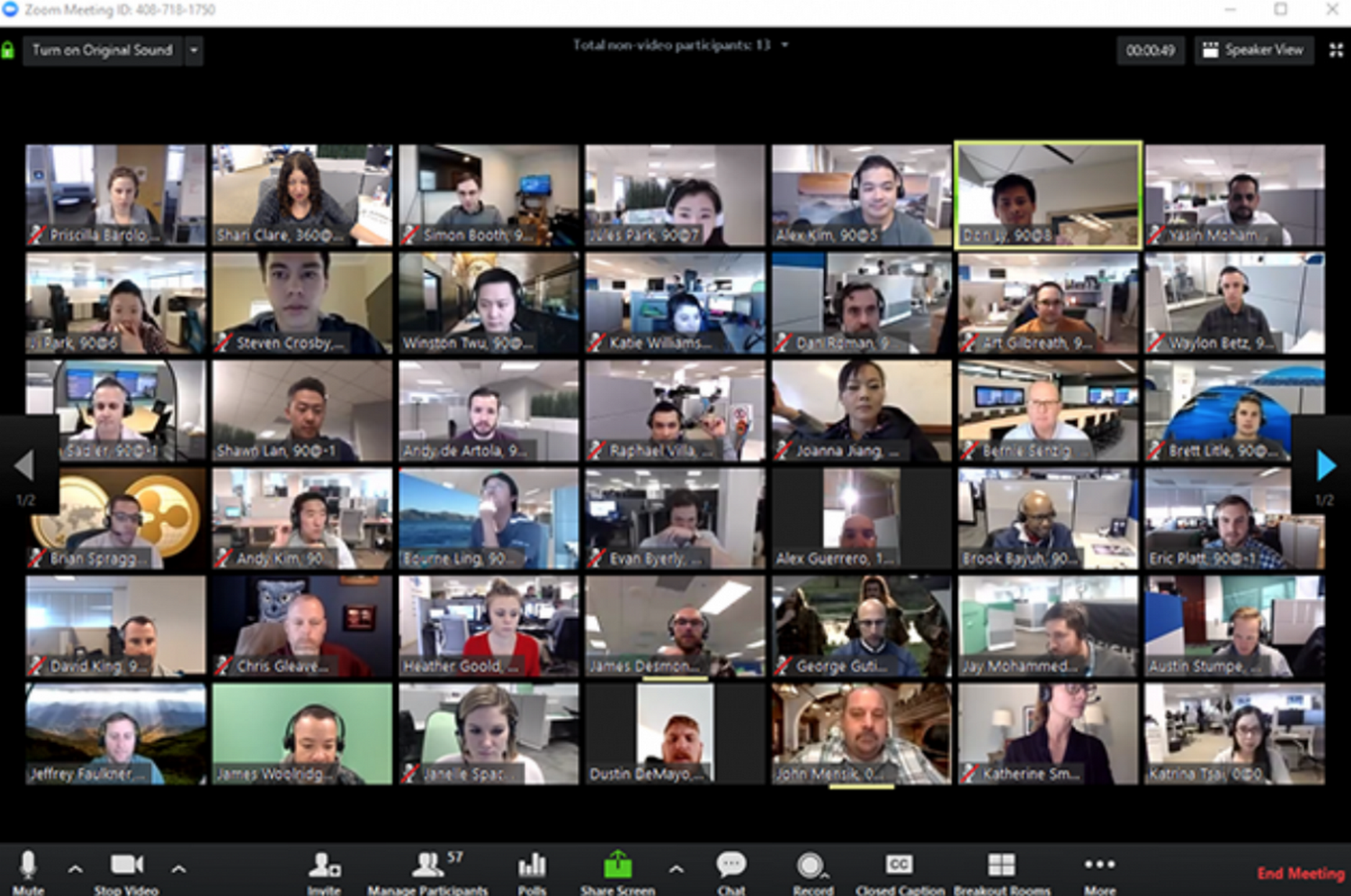
I’m sure you remember the early kvetches: “I can’t hear anyone!” “Mute yourself!” “Where is the picture?” “I hate computers!” It took us awhile, but we kept going. There turned out to be some plusses in addition to the annoyances. Most wonderfully, people who were geographically distant could join us. For the first time in all my years I was able to light Shabbat candles with my parents every week. Mine weren’t the only far-flung online family members, and local folks joined in when they were traveling. People zoomed in from hospital beds. It became possible for people with mobility challenges, for whom getting to the shul has always been a challenge, to participate. Shy people could participate shyly. We could show each other photos and video clips. Once or twice we joined other shuls online for services. I brought our sefer Torah home and jury-rigged a little ark in our guest room. I confess that I led High Holy Day services barefoot, probably with a cat on my lap.
We were so inventive in those isolated days: along with all our Zoom adventures we created a craft-based women’s retreat. We drove the Torah around the Coast for Simchat Torah in the mighty lime-green Torah-mobile. We had a couple of epic art installations. We cared for our dead remotely. I was and am so proud of our community for adapting so well to this challenge.
Then, blessedly, the pandemic receded enough that it became safe to gather in person again. There was and is still risk—in fact, even today as I write there is a resurgence of COVID infections around us. Some people are immunocompromised. Some are dealing with consequences of long COVID. Some people still have mobility or driving challenges. Some people still live far away. So, once we could reinhabit the shul, Marnie Press heroically got us equipped to have hybrid gatherings. And the lovely Gus Mayeno came aboard to be our Zoom maestro. We began to hold Shabbat morning and High Holy Day services in our “zool,” with some people in the shul and others zooming in from home. We have settled in to this new iteration fairly smoothly.
But there are a number of things you can’t do on Zoom. You can’t sing together. You can’t all touch a challah or touch someone touching it. You can’t schmooze with other folks. You can’t whisper to the person sitting next to you. It’s harder to make plans to get together during the week. You can’t give back something that someone left at your house. You can’t lend a book. You can’t feel someone’s fuzzy sweater. You can sort of have a discussion, but it’s clunky and people talk over each other. Zoom is great, but it is relationally tepid and spiritually a little lukewarm as well.
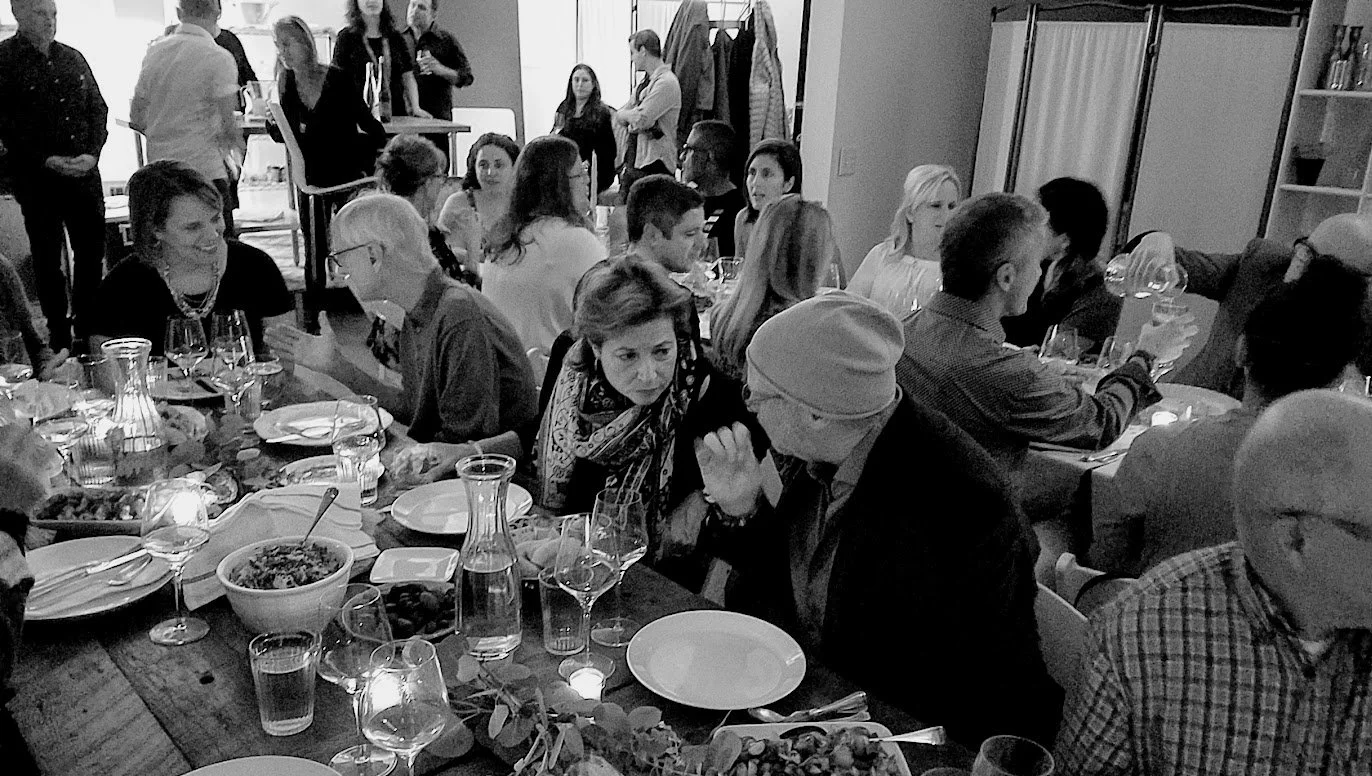
So back to that Kabbalat Shabbat last week when our host had to cancel. I ended up inviting everyone to my house. A whole bunch of people came—old-timers and new folks. We chatted and sang and ate a ton of great food. I had a number of really interesting conversations that I look forward to continuing. People stayed for hours.
When COVID first came our way it was a huge crisis. And it quickly became clear that we needed to find ways to have contact, for the continuity of our Jewish practice, of course, but also because we needed to be sustained by each other in a frightening time. We are still in frightening times, though the COVID virus is thankfully somewhat less of a threat. We still need to sustain and be sustained by each other—maybe more than ever—and we are fun and interesting, and it is a joy to know each other.
I think that hybridity is here to stay in some form. In many ways it is good and welcoming for people who can’t participate in person, and therefore for us all, but it is also time to think also about what is lost when we are not in a room together. Can our same creative genius find ways to connect with and sustain and enjoy each other in person, even in these hybrid days?
With this column I would like to open a conversation about Zoom and community. I would welcome your thoughts (maybe even In Real Life over a cup of coffee, though an email would be great too). The MCJC board is thinking about this too. Let’s see what we can come up with together.
SHABBAT MORNING SERVICES
A full Shabbat service is led by community members, with singing, chanting and silence, Torah teaching and reading, blessings for healing and peace, and time for mourners to say Kaddish. The teachers for November are listed below. We have hybrid services, so come to the shul or Zoom in from 10:30 AM until about 12:30 PM. The Zoom address is below.
| 11/07/26 |
Chayei Sara |
Raven Deerwater |
| 11/14/26 |
Toldot |
Margaret Holub |
| 11/21/26 |
Vayetzei |
Raven Deerwater |
| 11/28/26 |
Vayishlach |
Margaret Holub |
If you would like to give a Torah teaching during Shabbat services, or want more information about what’s involved, please contact Raven Deerwater at raven@taxpractitioner.com or (707) 813-7951.
ZOOM ADDRESS
We are using the Zoom address below for many MCJC events. Password is shalom. Disregard the numeric passcode at the bottom of the invitation unless you’re dialing in on a landline. If you have questions or problems, contact susan.tubbesing@gmail.com.
Join: https://us02web.zoom.us/j/7071836183?pwd=NzFaTkpjOXVYMDNnNnprOXlnZjVhQT09
Meeting ID: 707 183 6183
Passcode: shalom
Numeric Passcode: 776001
KABBALAT SHABBAT

This month’s Kabbalat Shabbat will be at the shul on November 20th, hosted by Aviv and Reesha. The gathering will start at 6:00 PM; there will be a short service followed by a vegetarian potluck. To let them know you are coming, contact Aviv at (707) 409-4784.
Harriet Bye and Larry Sawyer will be our hosts on December 18th. We are already working on the 2027 schedule. If you would like to host in February, or from April on, please be in touch with Mina at (707) 367-3390 or mcohen@mcn.org.
COME LIGHT THE MENORAH

Below are the plans we have to celebrate the holiday, the events we know about. Stay tuned to the weekly announcements for more news.
Sunday, December 6th (third candle) at the Caspar Community Center, 5:00 PM
The much-anticipated MCJC Hanukkah Party will include Menorah lighting (at 5:30 PM), raffle drawing, and latke eating. There will be music from the incomparable Klezmishpoche and dancing.
We need many volunteers to make the party a success. The tasks include buying the food, making latke batter, frying latkes, bringing lunch soup for the kitchen volunteers, setting up tables and chairs, setting the tables, decorating the hall, making salad, SERVING dinner, baking cookies at home, clearing tables, cleaning up the hall, getting trash to the shed, and closing up the shul. To volunteer, please contact Joy Lancaster at ajoylancaster@gmail.com.
If you would like to add your musical talents—instrumental or vocal—to the proceedings, contact Jennifer Kreger soon at refinnej@mcn.org.
To donate a prize for the raffle, contact Susan Tubbesing at (707) 962-0565 or susan.tubbesing@gmail.com.
Other events may materialize as we get closer to the eight days, so watch the weekly announcements.
A TU B’SHEVAT PROJECT

A group of MCJC artists and crafters are exploring the possibility of creating a pageant for Tu B’Shevat, the New Year of the Trees (this year on January 23, 2027). We are thinking puppets, lanterns, costumes, banners—a celebration of trees and The Tree, of fruits and natural life. It’s in its formative stages. This will be in addition to our beloved Tu B’Shevat seder. If this piques your interest, please contact Margaret (at mholub@mcn.org) or look for further info in the announcements.
PHILOSOPHY CIRCLE

Our monthly Philosophy Circle will return, after a bit of a hiatus, on Wednesday, November 4th, 5:30-6:30 PM in the shul. Our topic will be “the image of God.” As ever, we will spend a little time with a couple short Jewish texts and just discuss among ourselves: no right or wrong answers, no conclusions, no consensus. A chance to think and converse, guided with a light hand by wise teachers from our tradition. All are most welcome. For information, contact Margaret at mholub@mcn.org.
JUSTICE GROUP

The Justices will meet on the last Monday of each month at the shul, November 30th, from 3:30 to 5:30 PM (NEW time), in person only at the shul. Even with an earlier start time, we encourage carpooling. If you need a ride and don't know people in your area to ask, please contact Donna Medley at the email below so she can help find a driver. The November meeting will cover updates on Justice projects (Citizenship Scholarship and Native Plants Healing Garden); updates from the Rapid Response Network and Accompaniment Group; and an exploration of topics and modes of sharing/learning/growing for future Justices meetings. Bring your ideas, feedback, energy, songs, prayers, poems, snacks (all are optional), and yourself (not optional). With a question or for more information, contact Donna Medley at dmthebeez9@gmail.com.
BIRTHDAYS

Please reach out to the celebrants noted below and spread love. If you would like your natal day listed, email sarah.nathe@gmail.com with your birth date. (We list the day, but not the year, and your name will be featured only during your birthday month.) Below are the November birthdays:
11/06 Ruby Gold, 11/09 Ben Lowenstein, 11/17 Aviv Kleinman, 11/27 Jon Goodstein
COPPER TO GOLD
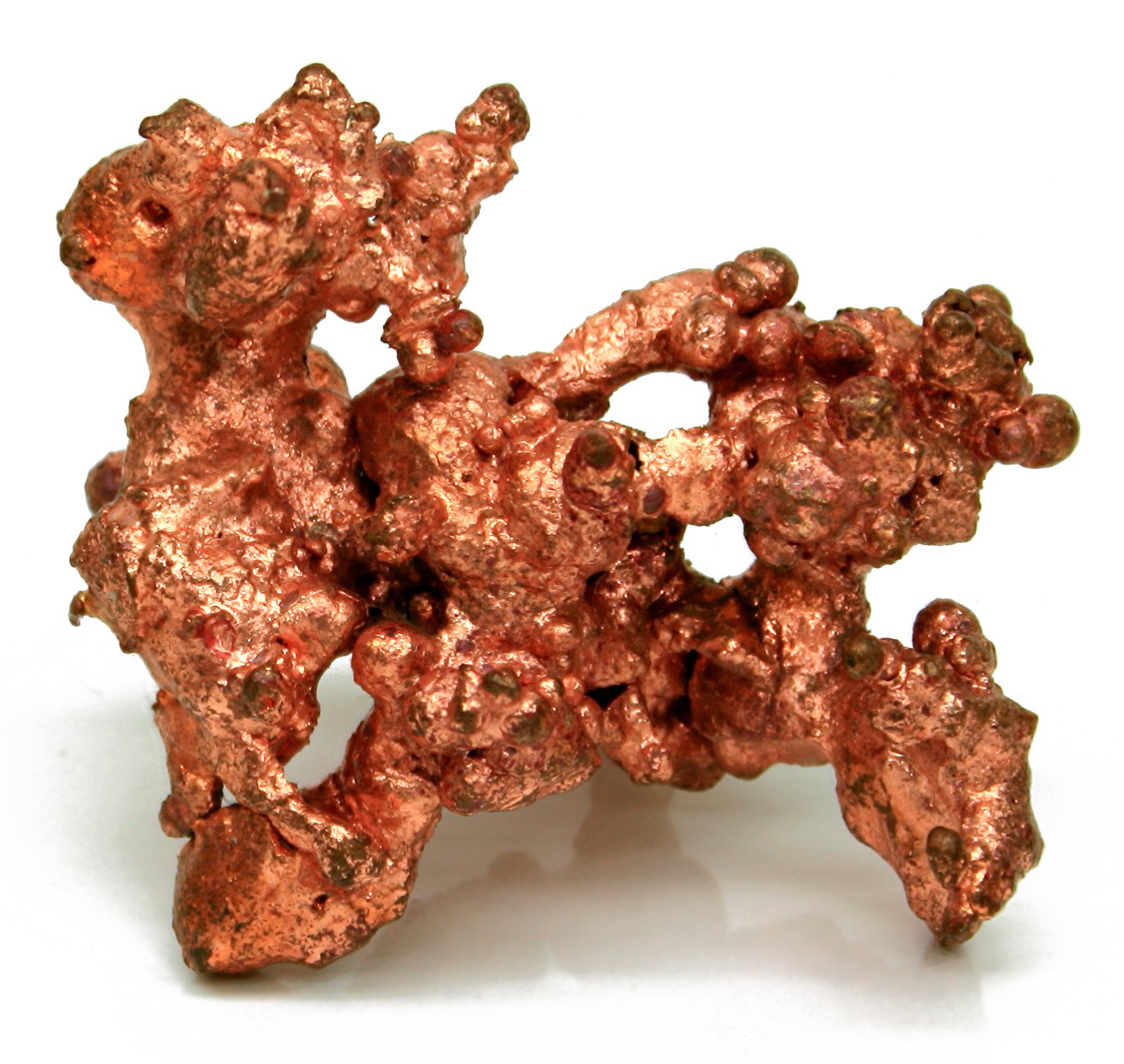
Raven and Rebecca Deerwater are planning to start a cohort of Copper to Gold this winter here on the Mendocino Coast. Copper to Gold is a program of personal transformation that explores biases, attitudes, and unconscious behaviors associated with racism and prejudice. A cohort meets for 16 weeks, meeting once a week for two hours in person and/or by zoom.
Rebecca gave a presentation about Copper to Gold to the MCJC Justice Group at their September meeting. Calling itself “a transformative approach to race amity,” the program utilizes closed groups set up to develop intimacy and trust for discussing issues of race, sharing personal experiences, and improving interracial relations. In addition to conversations there will be videos and PowerPoint presentations. The cohort will be facilitated by Rebecca and Raven. If you are interested in being part of it, please email Rebecca at deer@mcn.org. More information about the program can be found on the Copper to Gold website: https://www.coppertogold.org.
ELDERS’ CONVERSATION
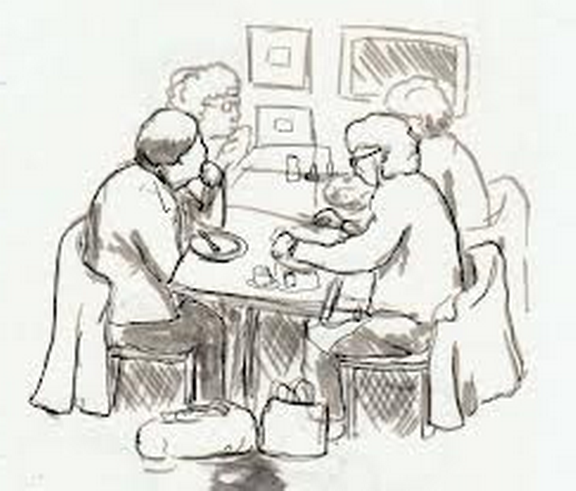
The Elders’ Conversation meets every second and fourth Tuesday of the month, 3:00-4:30 PM on Zoom. This month’s gatherings will be November 10th and 24th. At the end of each conversation we pick a topic of interest and come up with questions to explore in our next meeting. Conversations tend to be deep and wide. All are confidential, and people of all ages are most welcome to join.
BOOK GROUP

The readers will meet Monday, November 16th at 2:00 PM on Zoom to discuss A Horse Walks into a Bar by David Grossman. In a little dive in a small Israeli city, Dov Greenstein, a comedian a bit past his prime, is doing a night of stand-up. In the audience is a district court justice, Avishai Lazar, whom Dov knew as a boy, along with a few others who remember Dov as an awkward, scrawny kid who walked on his hands to confound the neighborhood bullies. Gradually, as it teeters between hilarity and hysteria, Dov's patter becomes a kind of memoir, taking us back into the terrors of his childhood: we meet his beautful mother, a Holocaust survivor in need of constant monitoring, and his punishing father, a striver who had little understanding of his creative son. Finally, recalling his week at a military camp for youth--where Lazar witnessed what would become the most traumatic event in Dov's childhood--Dov describes the indescribable while Lazar wrestles with his own part in the story.
If you are not currently in the Book Group, please contact Fran Schwartz for the Zoom invitation at franbschwartz@gmail.com. The book is at Gallery Bookshop.
MCJC BOARD MEETING
The MCJC board meeting for November has not yet been scheduled. If you wish to attend part of the meeting, please contact Susan Tubbesing for the date and time, and the meeting’s Zoom address at (707) 962-0565, or susan.tubbesing@gmail.com.
CHEAPER THAN THERAPY
When you are savoring your Hanukkah gelt this year, you probably won’t reflect on the complex historical forces that put chocolate into foil coins for your gift giving and enjoyment. But take a moment to picture yourself in the turbulent landscapes of the early 1600s, when Sephardi Jews and conversos exiled from Spain and Portugal vamoosed to New Spain. There they became part of the chocolate culture of what is now Central and South America and started the chain of events that made chocolate the drug of choice for millions of the world’s happiest people.

The consumption of chocolate originated in pre-Columbian Meso-American societies, particularly the Mayans, according to Rabbi Deborah Prinz, author of On the Chocolate Trail. According to her, the first recorded European contact with chocolate was on the fourth voyage of Columbus in 1502-04. In his diary, Columbus’s son mentioned some strange beans, which they mistook for large almonds. Conquistador Hernán Cortés reported that he was given a stimulating chocolate drink in the court of Moctezuma II in 1520. The bitter drinks were made from ground beans, chili, water, and sometimes maize. The Spanish adapted the drink by replacing chili with cane sugar, and adding vanilla, cinnamon, and sometimes milk.
Many Jews who found themselves in New Spain embraced commerce, seizing on cacao as a novel trading opportunity. Michael Leventhal, author of Babka, Boulou and Blintzes: Jewish Chocolate Recipes from Around the World, says that Jewish merchants and traders played a crucial role in the sale of cocoa beans to Europe, eventually acquiring the skills to craft chocolate delicacies. As the Jewish diaspora expanded, the merchants took their expertise in chocolate manufacturing with them. In 1650, a figure named Jacob the Jew brought England its inaugural coffeehouse, with hot chocolate on the menu. A few years later, a Jewish chocolatier began making chocolate in Belgium.
The Dutch colonization of northern Brazil (1630-54) was a heyday for a generation of Jewish traders. Jews of Portuguese origin who had settled in the Netherlands moved to Dutch and French Atlantic territories, and their trade in cacao, coffee, and indigo expanded and flourished. When the Jews were expelled from France and its territories in 1685, the chocolate traders settled in Curacao, a Dutch possession, where they developed their chocolate making. A number of them left Curacao for Rhode Island, known for its religious freedom, where they founded the Touro synagogue in 1763, the oldest one in North America.
Jews had arrived in Bayonne, just beyond the Spanish border in southwest France, by 1600 and became known as exceptional chocolatiers. The two chocolate museums there celebrate the Jews’ role in introducing chocolate making to France. In Bayonne, Jews were allowed to live in a district called Saint Esprit. By day, they lugged their heavy, cocoa-grinding equipment into the center of town; by nightfall, they lugged it back to their homes in the ghetto. As Jewish bakers introduced chocolate cakes and fillings to their neighbors, both delight and resentment grew. Once the Bayonnais had learned chocolate making, they passed a series of laws forbidding Jews from manufacturing chocolate there.
When a group of colonists disguised as Native Americans tossed British tea into the Boston Harbor as a protest against unjust taxes in 1773, colonial Americans needed a new drink and hot chocolate gained popularity. This shift was enabled by Jewish merchants who had brought their chocolate making know-how to Rhode Island and New York. Aaron Lopez, a Portuguese Jew in Newport, became the city’s most prominent chocolatier and dealer in Judaica, according to Rabbi Prinz. He distributed chocolate at Hanukkah as tzedakkah.
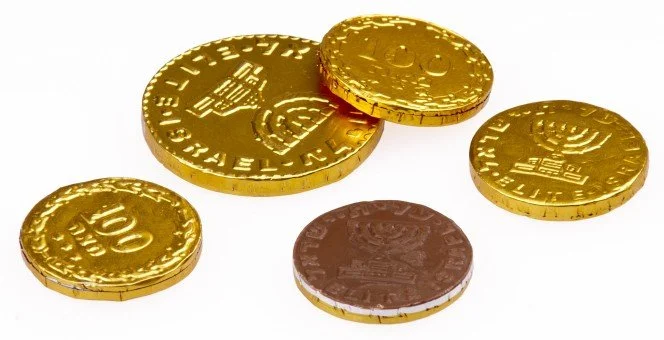
Speaking of that, Hanukkah gelt first became edible in the late 1700s thanks to chocolatiers in the Netherlands and Belgium. During the December feast of St. Nicholas, at about the same time as Hanukkah, it was customary for Christian children to receive bags of golden foil-covered chocolate coins in celebration of the saint’s habit of putting coins in the shoes of the needy. Chocolate makers saw an opportunity for growth that expanded to include dreidels, stars of David, and menorahs that melt in your hand.
Thanks to On the Chocolate Trail: Connecting Jews to the Magic of Cacao, Deborah Prinz, 2017; and Babka, Boulou and Blintzes: Jewish Chocolate Recipes, Michael Leventhal, 2021.

THANKS TO THE MAILERS
Susan Hofberg volunteered to prepare last month’s Megillah for mailing. She did it all by herself and it didn’t even take that long. She can testify to the overwhelming sense of accomplishment it gave her. Just ask her! Or contact Sarah Nathe (at sarah.nathe@gmail.com) and she’ll tell you.
TODAH RABAH

THANK YOU TO THE FOLLOWING DONORS:
Donna Weintraub, Susan & Hans Henning, Myra Beals, Sally & Lee Welty, Lew Mermelstein, Kelly & Steve Kalus, Marinela Miclea, Elisabeth Shima, Ronnie James, the David & Donna Neumark Family Fund, Laura Goldman & Dennak Murphy, Tracy Salkowitz & Rick Edwards
Ronnie Karish & Ellen Saxe in honor of Judy Stavely
Loren Lewallen in memory of Eleanor & John Lewallen
Marsha Epstein in honor of Aviyah Farkas
Richard Louis Miller in honor of Edward Isaac Miller
Ronnie Karish & Ellen Saxe in honor of Gus Mayeno
Citizenship Scholarship Fund
Richard Louis Miller, in honor of the Miller Family: Sarana, Evacheska, and Aaron
MEGILLAH SUBSCRIPTIONS
The Mendocino Megillah is published monthly as an emailed PDF and an online version. The online Megillah is posted on the newsletter page of the MCJC website: www.mcjc.org/newsletter. Any information on changes in email address or in email notifications should be sent to Sarah Nathe at sarah.nathe@gmail.com. If you choose not to be a contributing member of MCJC, we request a $54 annual fee for the Megillah.
EDITORIAL POLICY
The Mendocino Megillah is published monthly, except for August. The deadline for article submission is the 22th or the 23rd of the month before publication. The editor will include all appropriate material, space permitting, with the exception of copyrighted material lacking the permission of the author. Divergent opinions are welcome. Material printed in the Megillah does not necessarily represent the policy or opinions of the MCJC Board of Directors.

Please Support Our Generous Underwriters
Albion Doors and Windows: Thousands of recycled windows, French doors, thermal windows, entry doors, new & used. Leaded glass, arches & unique styles. Liquidation prices at (707) 937-0078 in Albion. www.knobsession.com.
Karen Camille Bowers Studio: Painting workshops and studio gallery. Website: karenbowersstudio.com Email: karenbowersu2@gmail.com Tel: (707) 684-0656.
Frankie's Pizza and Ice Cream Parlor: Homemade pizzas, Cowlick's ice cream, and other yummy things to nosh on. Beer and wine available. Open every day but Monday from 11:00 am - 8:00 pm at 44951 Ukiah Street, Mendocino, (707) 937-2436. www.frankiesmendocino.com.
Mendo Digital: Get found online and grow your business with search engine optimization (SEO), customer-focused writing, and an attractive website that adapts to viewers’ devices. Free 30-minute consultation with Marinela Miclea. Visit https://mendo-digital.com.
Out of this World: Telescopes, binoculars, & science toys. 45100 Main Street, Box 1010, Mendocino. (707) 937-3335. www.OutofThisWorldShop.com. Serving all your interplanetary needs since 1988.
Thanksgiving Coffee Company: Artisan roasted on the Mendocino Coast since 1972. A B Corporation featuring a wide variety of certified organic, shade-grown coffee & fair trade coffees. (800) 462-1999. Learn more and buy coffee at www.thanksgivingcoffee.com.
Yogajoy classes on zoom with Helen Jacobs. Gentle yoga to improve flexibility and strength and reduce stress. Contact Helen at hjacobs@mcn.org or (707) 367-3498.
MCJC underwriters increase their businesses’ visibility to over 350 subscribers and improve their presence on the web. $150/year.
| Chevra Kadisha |
Clare Bercot Zwerling |
956-571-0945 |
clarebercot@icloud.com |
| Cemetery |
Donna Montag |
707-877-3243 |
montag@mcn.org |
| Outreach (new to the community), Finance Committee, Announcements |
Susan Tubbesing* |
707-962-0565
|
susan.tubbesing@gmail.com |
| Justice Committee, Security |
Donna Medley* |
707-962-9493 |
dmthebeez9@gmail.com
|
| Women's retreat, Annual dinner |
Harriet Bye |
707-937-3622 |
bysawyer@mcn.org
|
| Kabbalat Shabbat Coordinator |
Mina Cohen |
707-367-3390 | mcohen@mcn.org |
| Volunteer Coordinator |
Joy Lancaster* |
||
| Building Maintenance |
Marnie Press* |
707-937-1905 | marniepress@gmail.com |
| Treasurer, Finance Committee |
Raven Deerwater* |
707-813-7951 | raven@taxpractitioner.com |
| Landscaping, Library |
Nina Ravitz* |
||
| Communications |
Neal Davis* |
neal@group5media.com | |
| Yahrzeit Notifications |
Bonnie Mahoney |
631-466-0156 | bonniemahoney2015@gmail.com |
| Book Group, Bikkur Cholim |
Fran Schwartz |
707-937-1352 | franbschwartz@gmail.com |
| Web dude |
Gus Mayeno |
webmaster@mcjc.org | |
| Megillah Editor, Name & Address & Subscription changes |
Sarah Nathe |
707-962-0565 |
sarah.nathe@gmail.com |
| Rabbi |
Margaret Holub |
707-734-0311 | mholub@mcn.org |